The Gateway to Bergenbuurt: Where Architecture Meets the Soul of Malang
A journey through Kajoetangan to uncover the legacy of Karel Bos and Thomas Karsten.
Muhammad Darman M
4/26/20263 min read
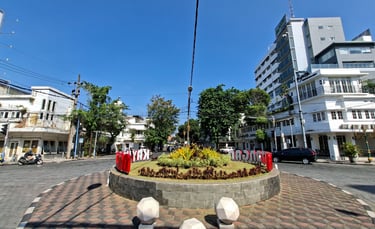
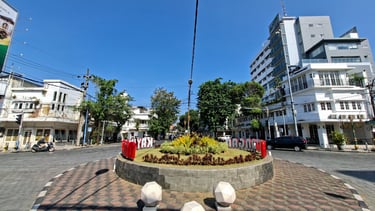
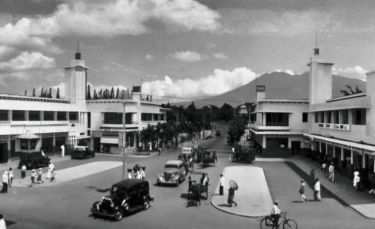
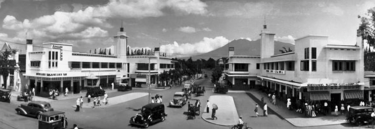
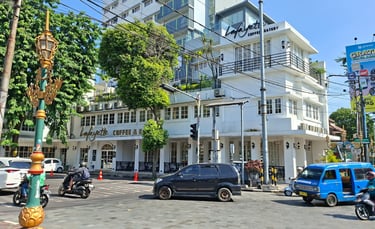
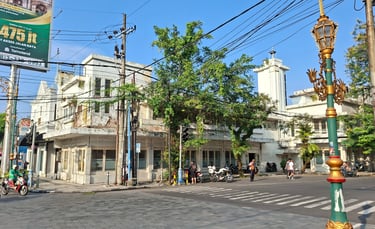
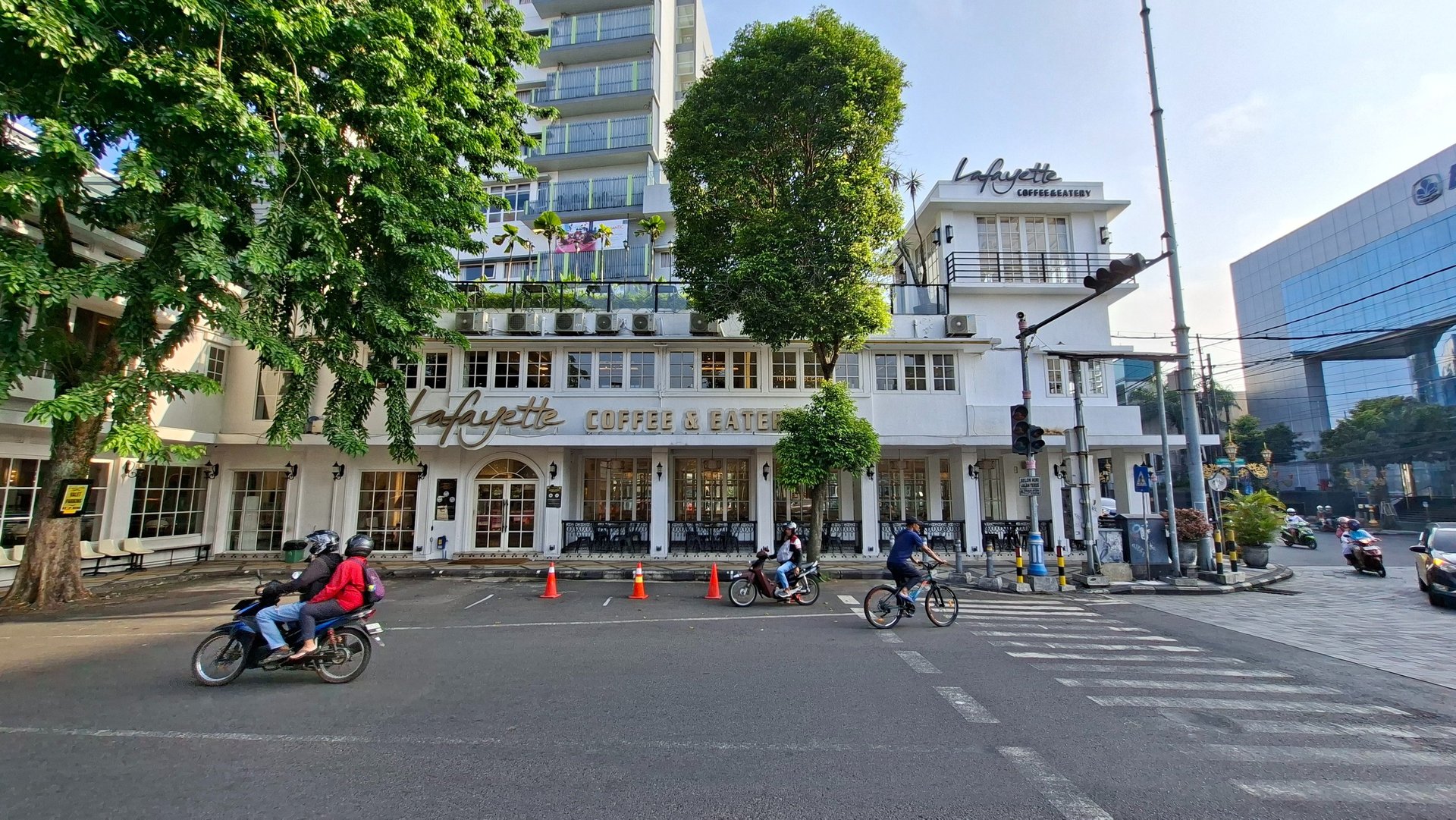
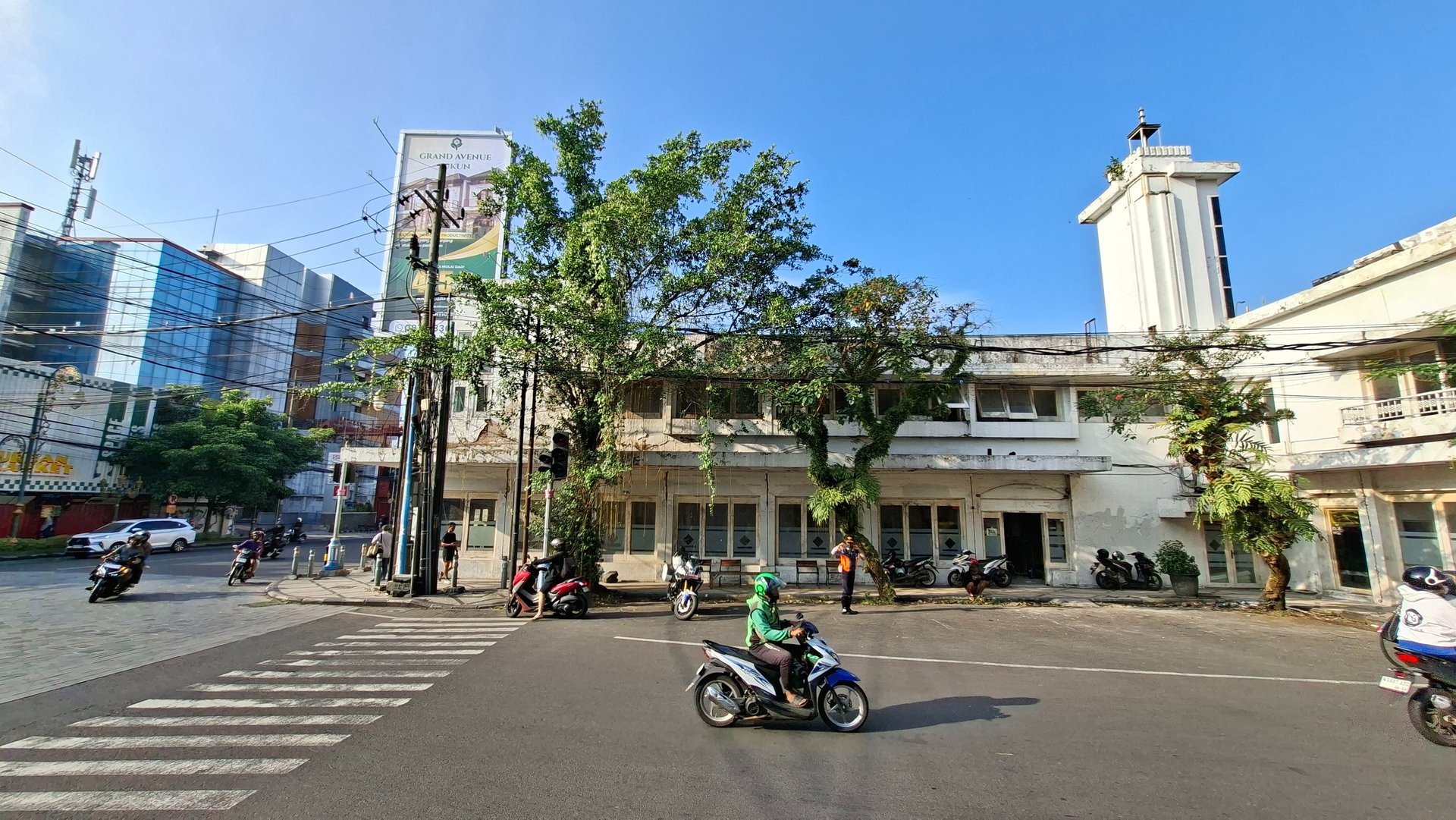
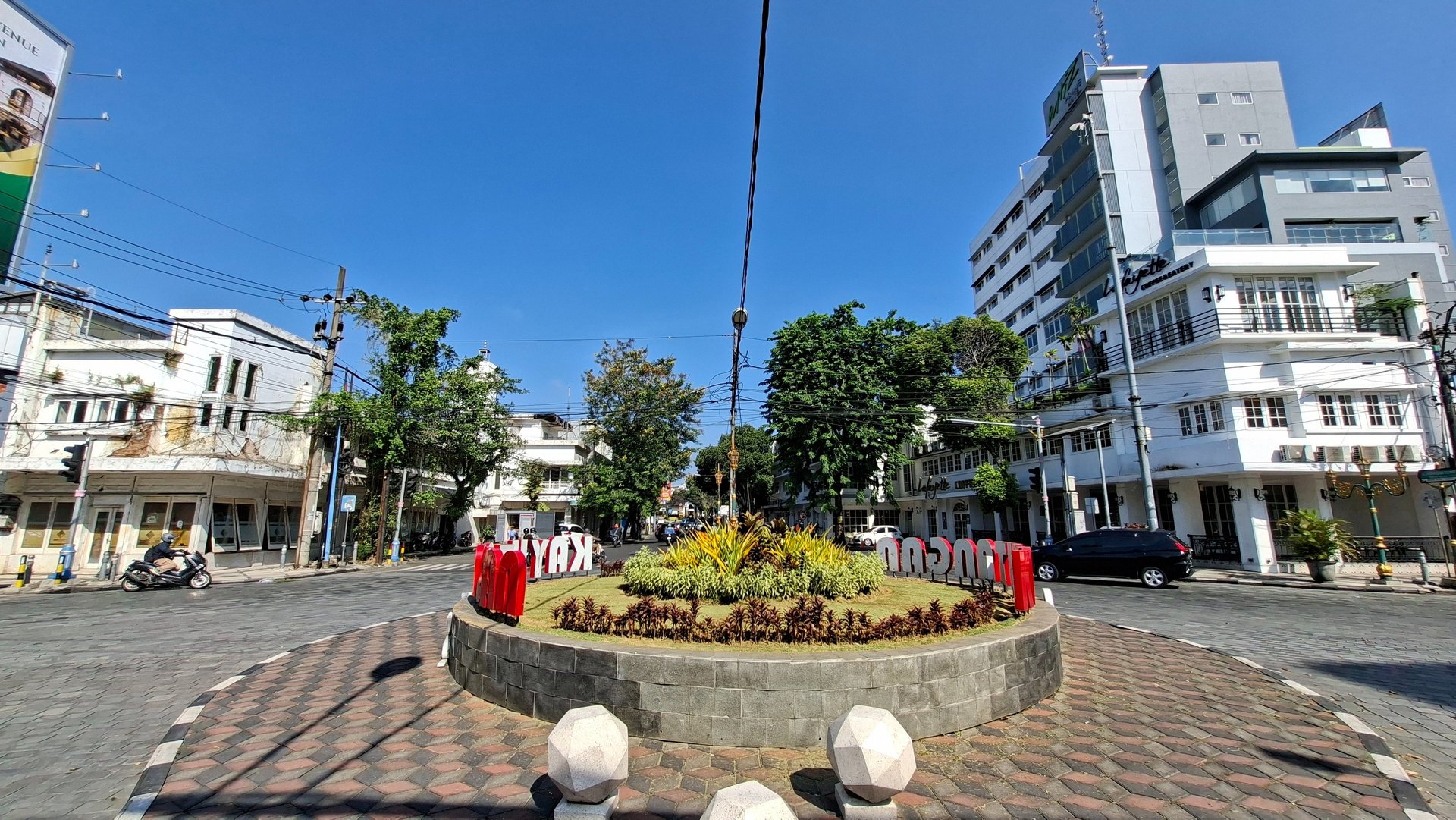
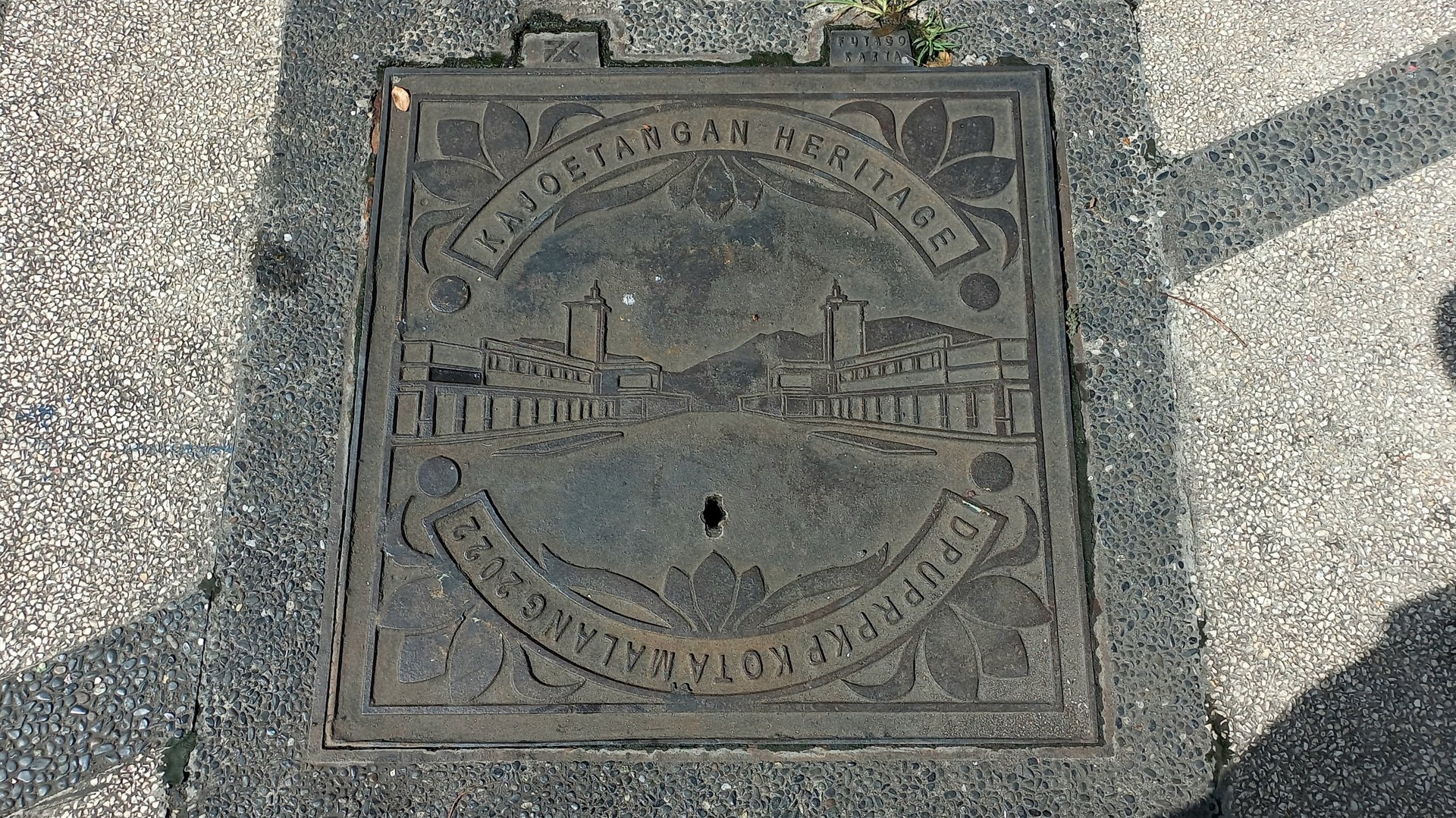
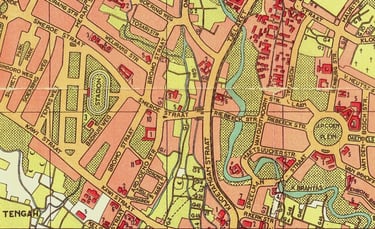
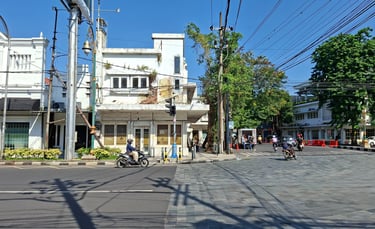
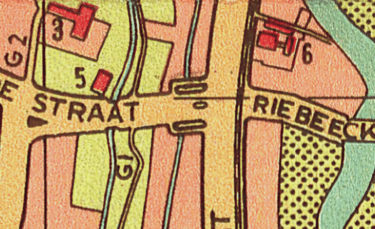
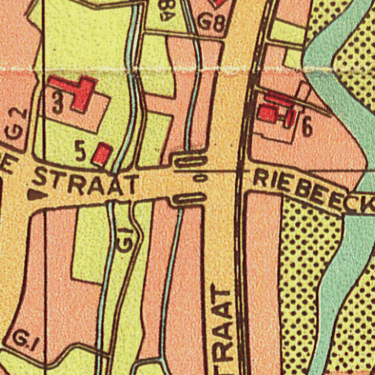
"This is where architecture and the city's layout truly speak to one another," I said to Dutch travellers while showing two dots in the old map. "These twin buildings, the gateway to Bergenbuurt."
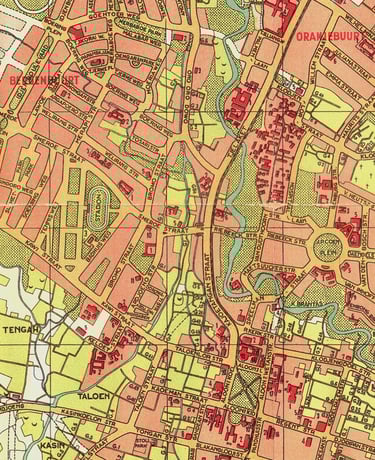
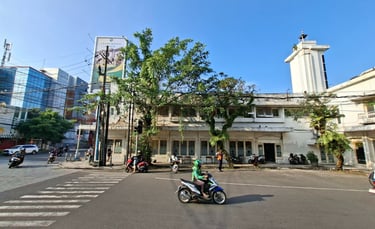
For years, this gateway felt incomplete, like a symmetry lost to time. But as the Kajoetangan revitalization brings new energy to the area, the left twin is finally coming back to life. It’s making the whole street feel vibrant again, and the entrance to Bergenbuurt is finally finding its voice.
"As you can see in this old map, these buildings, designed by Karel Bos in 1936, align with Thomas Karsten’s urban master plan."
I then explained that in Indonesia, we can't talk about urban planning without mentioning Thomas Karsten. In the Netherlands, Karsten’s name may not be widely known. However, here in Indonesia, he was a monumental figure whose legacy still defines the soul of our cities.
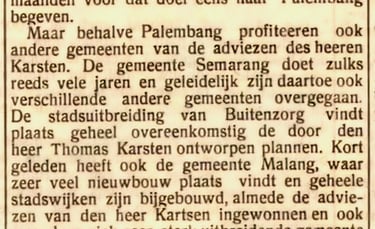
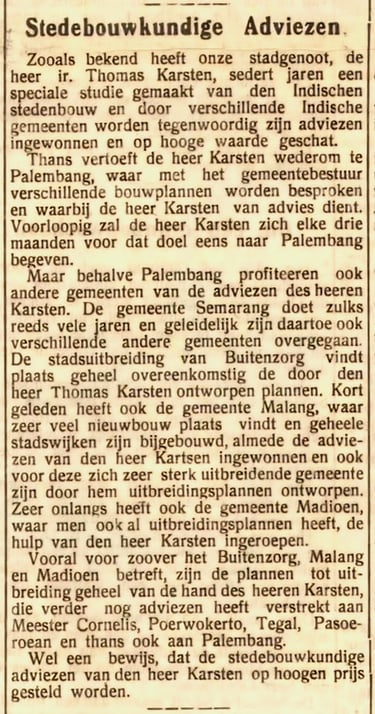
To explain that, there is nothing better than showing this piece of history: an archive I recently found from the Algemeen Handelsblad voor Nederlandsch-Indië, published on September 17, 1929.
Urban Planning Consultations
As many of us know, our fellow townsman Ir. Thomas Karsten has spent years specializing in the study of East Indies urban planning. Nowadays, his advice is in high demand and deeply valued by various municipal governments.
Currently, Karsten is back in Palembang to discuss several development projects and provide his expertise to the local government. For the time being, he’ll be traveling there every three months to oversee these plans.
But it’s not just Palembang, other cities are also making the most of Karsten's insights. Semarang has been doing so for years, and many other municipalities are gradually following suit. The urban expansion of Buitenzorg (Bogor), for instance, is moving forward exactly according to the plans Karsten designed. Recently, the city of Malang, which is seeing a massive surge in new construction and the development of entire new neighborhoods, also sought his counsel. He has since drafted expansion plans for this rapidly growing city. Most recently, Madiun has also called in his help for their own expansion goals.
For Bogor, Malang, and Madiun specifically, the expansion plans are entirely Karsten's work. He has also provided consultancy for Meester Cornelis (Jatinegara), Purwokerto, Tegal, Pasuruan, and now Palembang.
It’s clear proof that Thomas Karsten’s urban planning expertise is held in the highest regard.
As we walked past the twin buildings, I told them, "While Karsten is often remembered simply as a colonial architect, he was actually a radical for his time and was deeply connected to the Indonesian independence movement."
"I recently read an article by Joost Coté on Thomas Karsten’s life," I added. "I found that he was a reformist who reportedly left the message 'Indonesia be united, Indonesia be glorious' before his death in a Japanese internment camp in 1945."
He passed away, but his legacy lives on; and the people of Malang are still so proud of him.
I was going to explain that he was like a Max Havelaar of urban planning, but I stopped talking; I could see one of them was moved to tears.