Geen water, maar kogels! (No water, but bullets!)
You should visit the Brawijaya Museum with a storyteller.
Muhammad Darman M
3/8/20262 min read
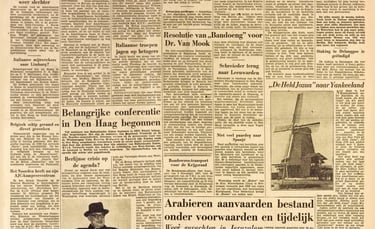
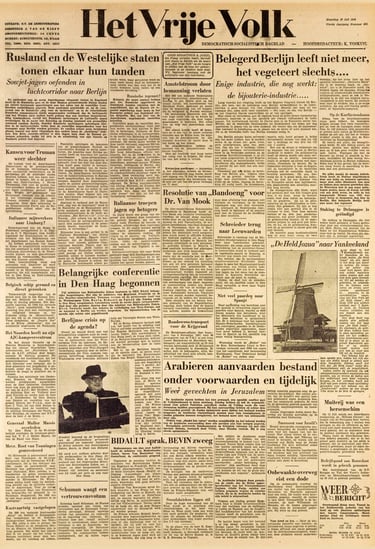
I recently stumbled upon a clipping from the archives of Het Vrije Volk, a major Dutch newspaper of the era.
Dated July 19, 1948, the article describes the upcoming court-martial for the 'Bondowoso-transport'—a tragedy where 46 Indonesian fighters lost their lives in a sealed carriage during the Revolusi.
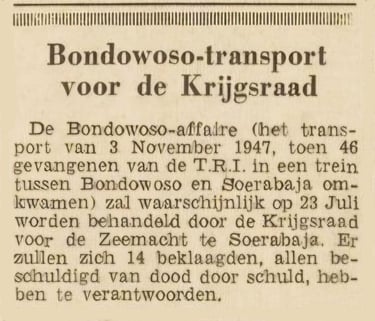
Bondowoso Transport for the Court-Martial
The Bondowoso affair (the transport of November 3, 1947, when 46 prisoners of the T.R.I.* perished in a train between Bondowoso and Surabaya) will likely be heard on July 23 by the Naval Court-Martial in Surabaya. Fourteen defendants, all accused of causing death through negligence, will have to answer for their actions.
*T.R.I. Stands for Tentara Republik Indonesia (Army of the Republic of Indonesia).
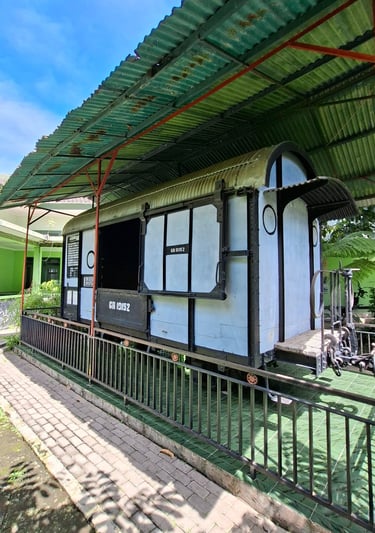
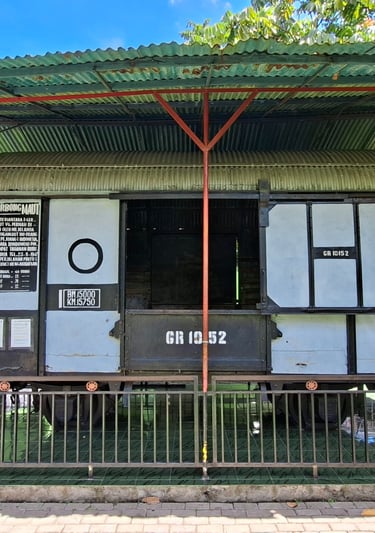
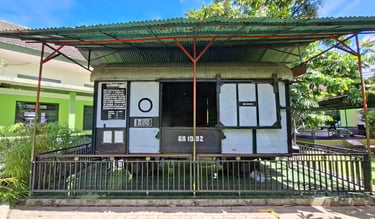
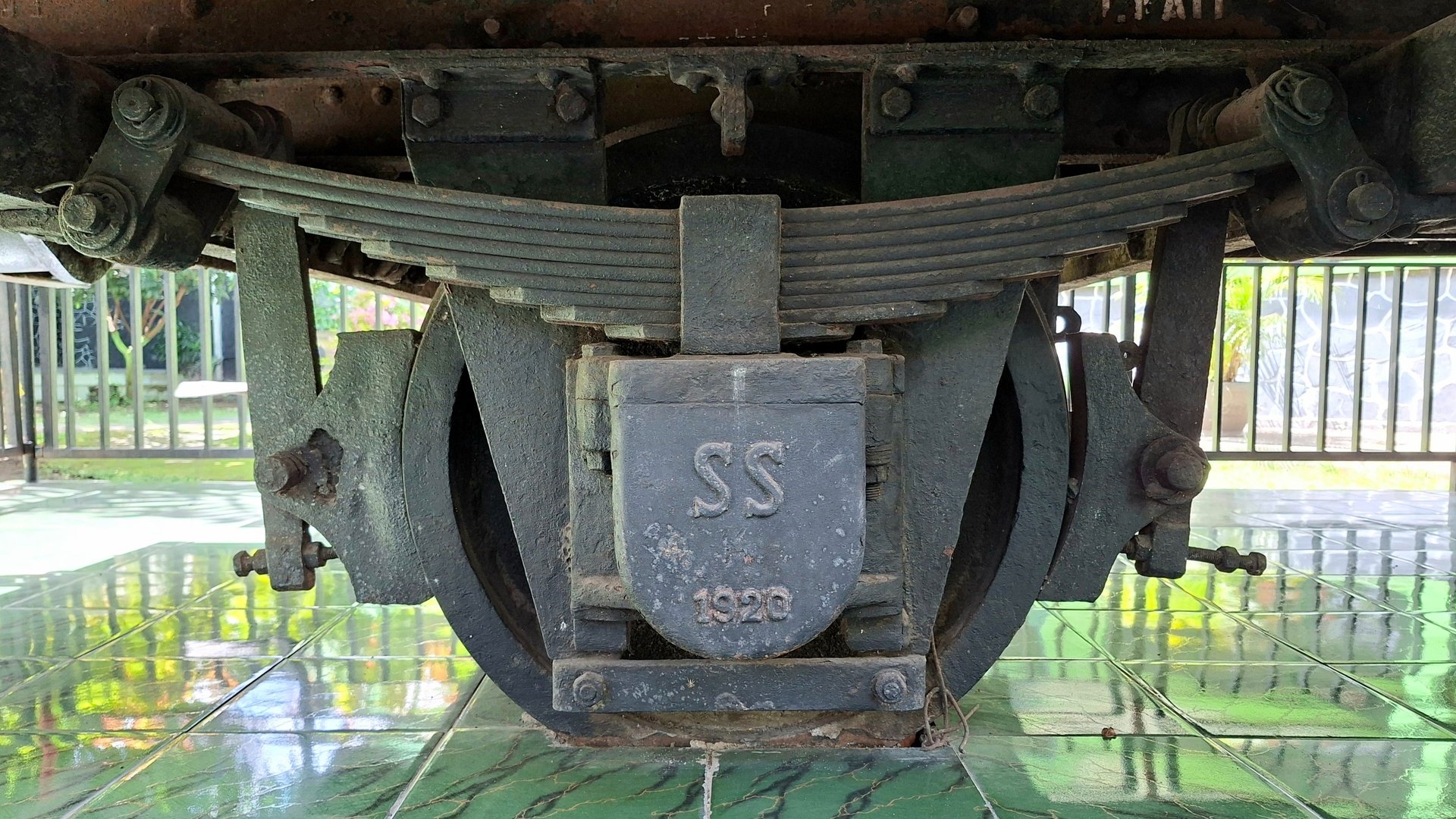
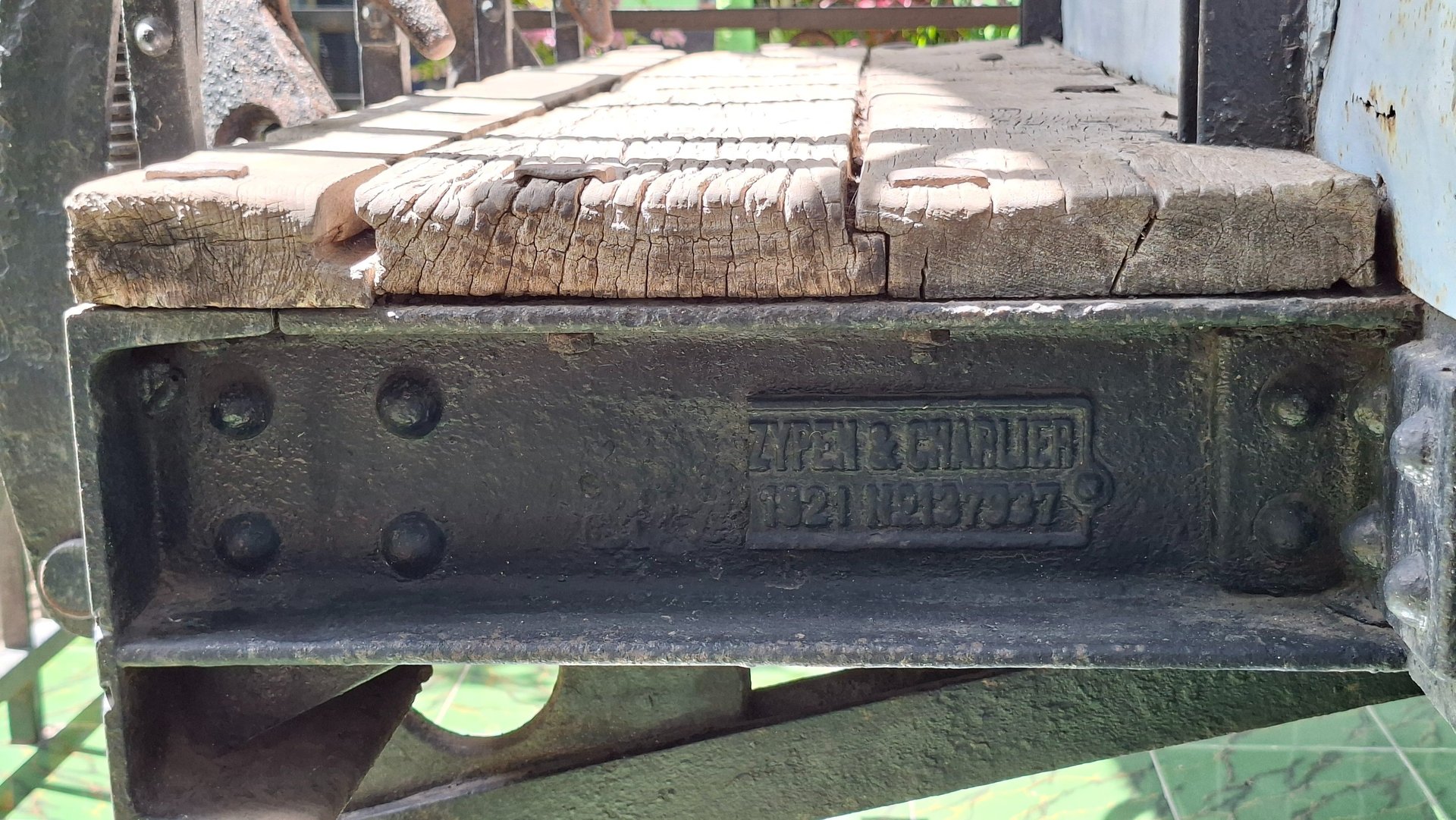
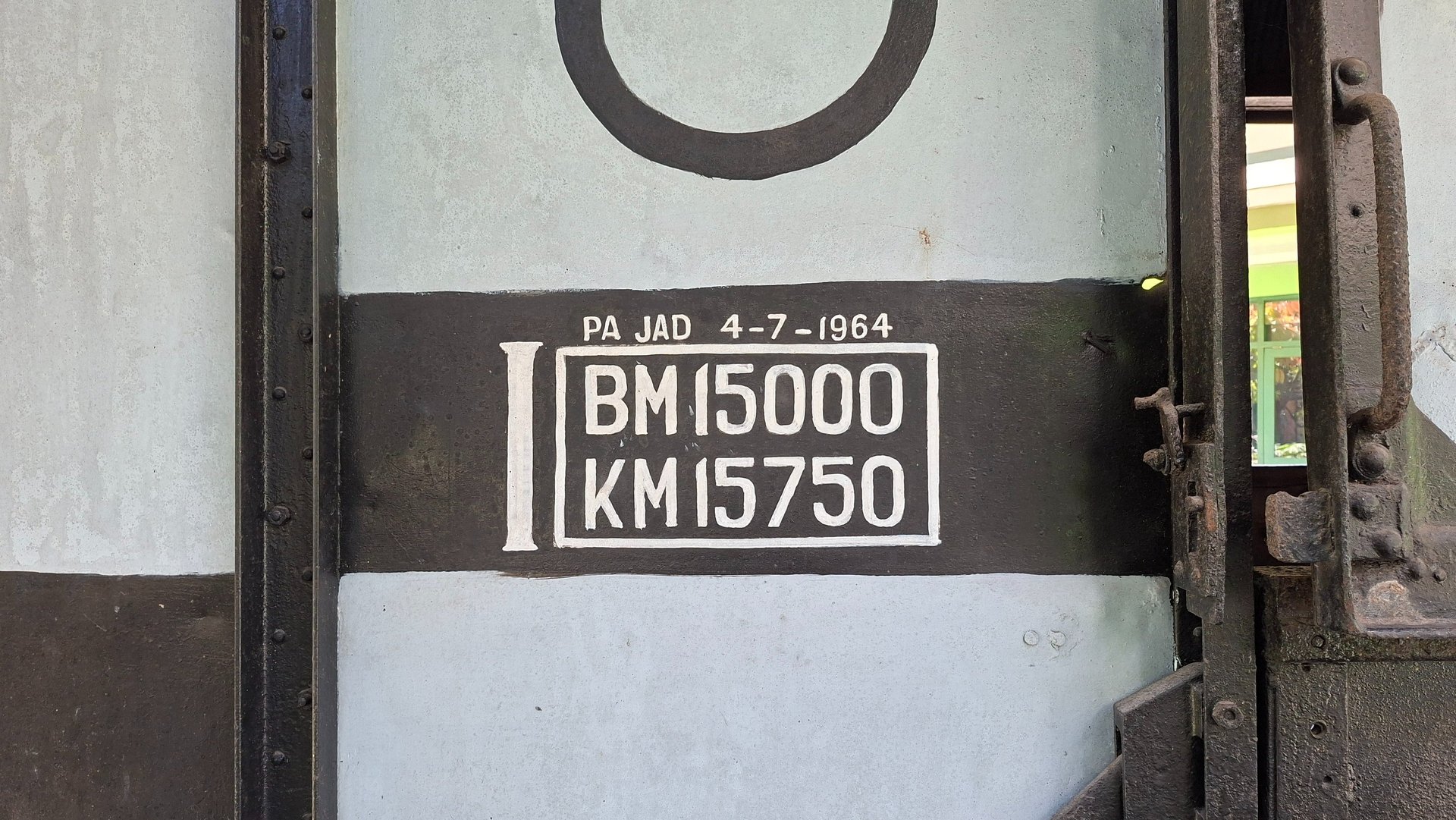
The original 'Gerbong Maut' (Death Carriage) GR10152 at Museum Brawijaya, Malang.
Interestingly, while this 1948 report lists the tragedy as occurring on November 3, it is widely known in history as the November 23 incident.
On that day, 100 Indonesian prisoners were packed into three sealed train carriages for a 16-hour journey from Bondowoso to Surabaya. With no windows and water, the heat inside became unbearable. When the prisoners hammered on the walls begging for a drink at stops along the way, the guards reportedly answered: "Geen water, maar kogels!" (No water, but bullets!) By the time the train arrived, 46 men had tragically lost their lives to the heat and lack of air.
Today, in Malang, you can see one of these original "Death Carriages" at the Brawijaya Museum—a reminder of the high price paid for the independence of the country you are visiting.
And to truly understand the story, I recommend visiting with a storyteller who can bring this silent relic to life.
These are some photos I took:
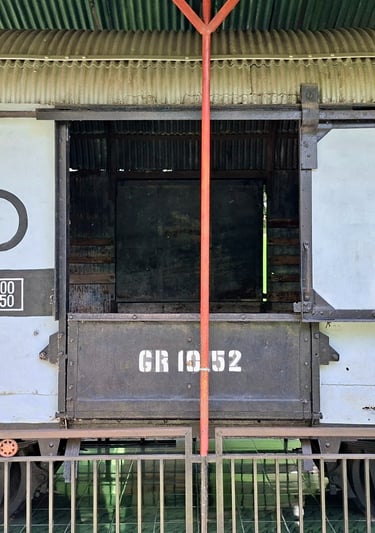
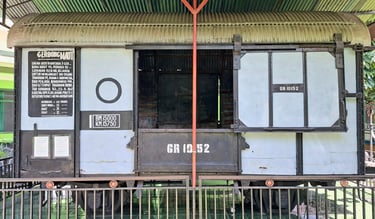
No Windows: There were no openings for light and air, leading to the suffocation.
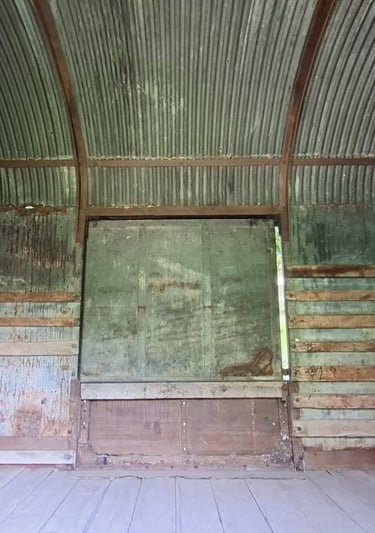
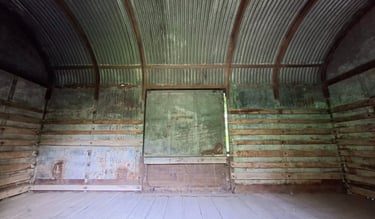
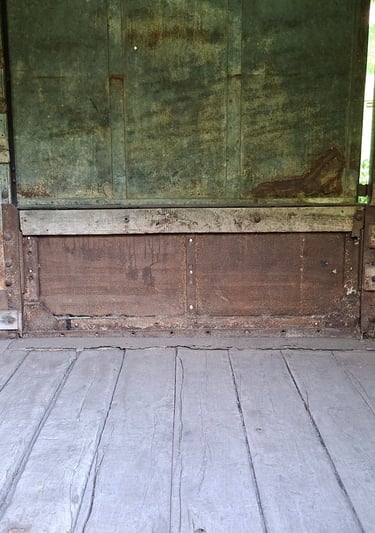
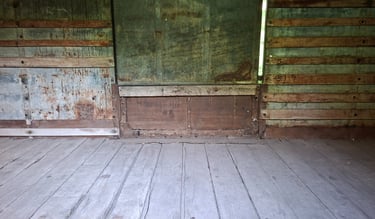
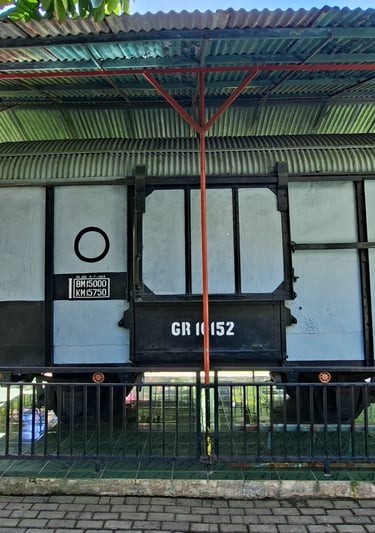
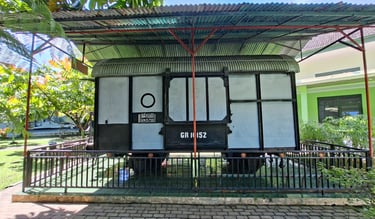
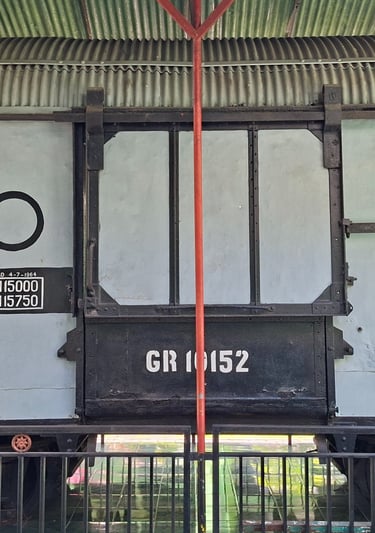
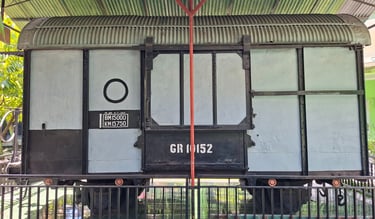
Purpose-Built for Cargo: This was designed to transport goods (like coffee or tobacco), not living beings, which is why there were no seats and water.
No Ventilation: Unlike passenger carriages (gerbong penumpang), this was an airtight covered wagon made of wood and corrugated iron.