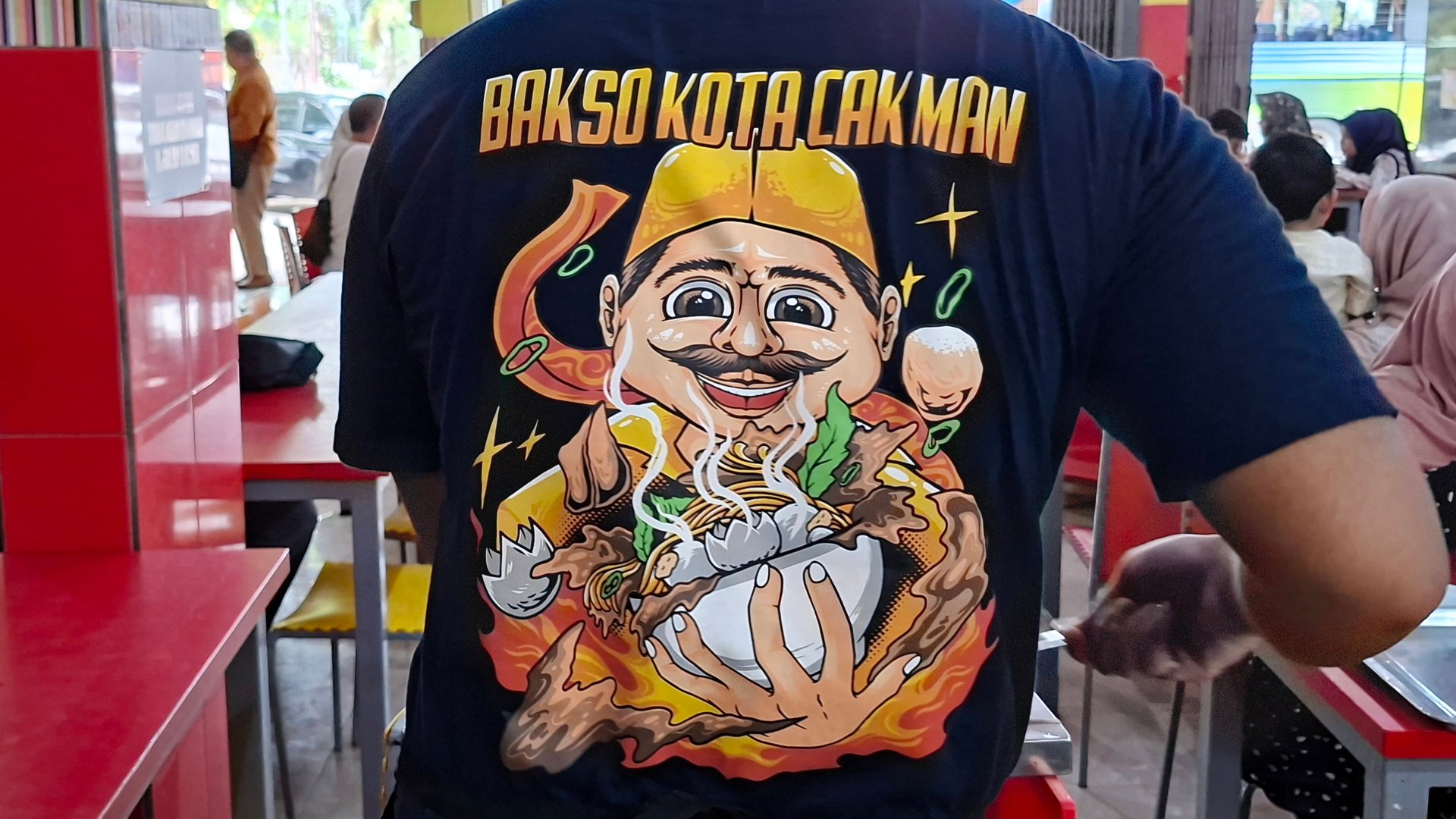
Bakso Kota Cak Man
From a Single Pushcart to an Iconic Taste
Muhammad Darman M
3/19/20262 min read
Malang and Bakso are inseparable. You can’t claim to have seen the city without sitting down to a bowl of it. So, when a few German travellers asked where they should go for an authentic bite, I didn't have to think twice.
"Bakso Kota Cak Man," I said. "It's a legend."
The story of Bakso Kota Cak Man is a journey that began with a dream for a better life. After moving from Trenggalek to Malang at age 21 and working for a local bakso seller, Abdul Rahman Tukiman started with a single pushcart in 1980. After a decade of perfecting his recipe and building his reputation, the dream became a reality. He eventually founded the iconic Bakso Kota Cak Man brand in 1993, opening his very first outlet right here on WR Supratman Street.
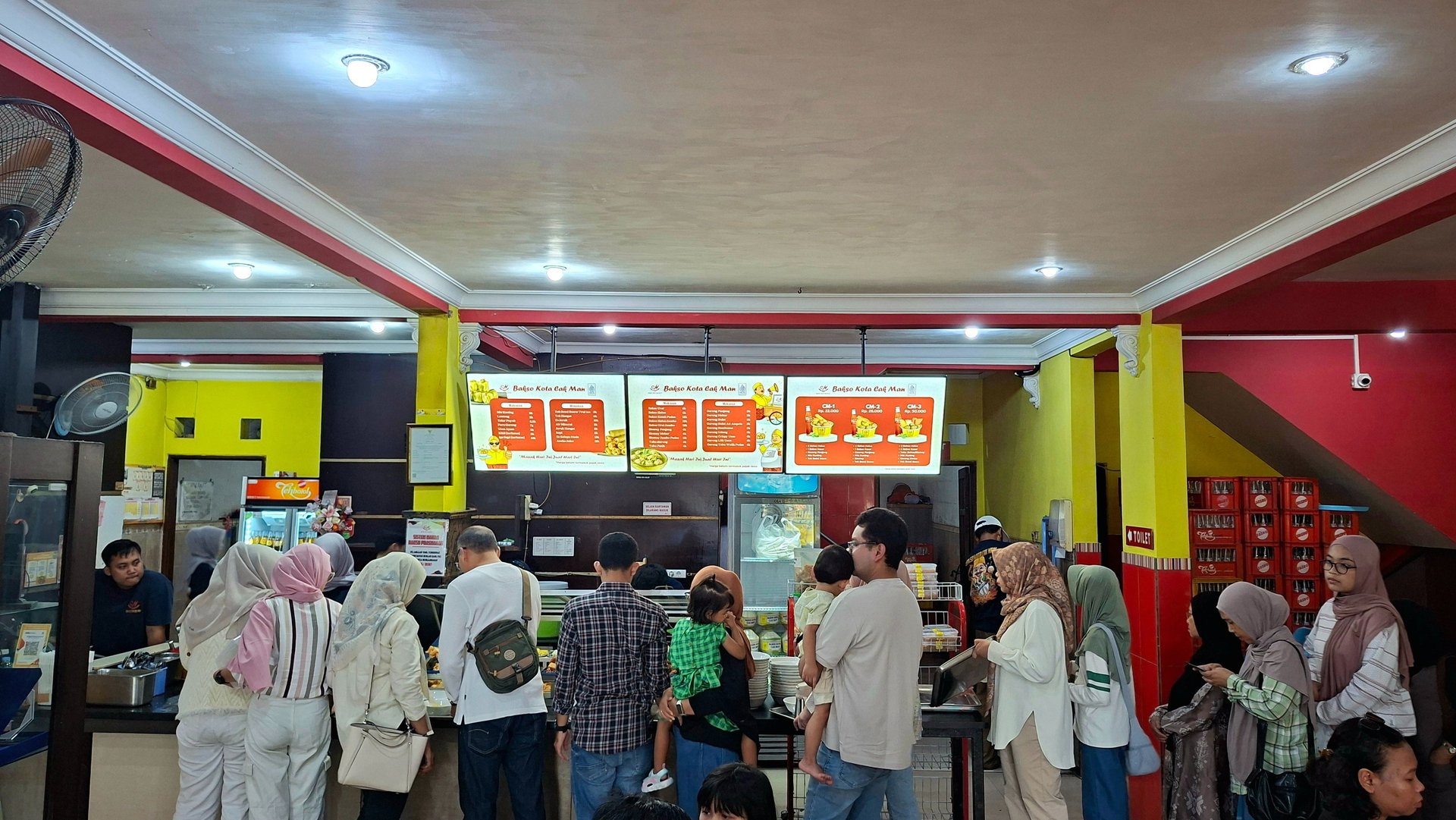
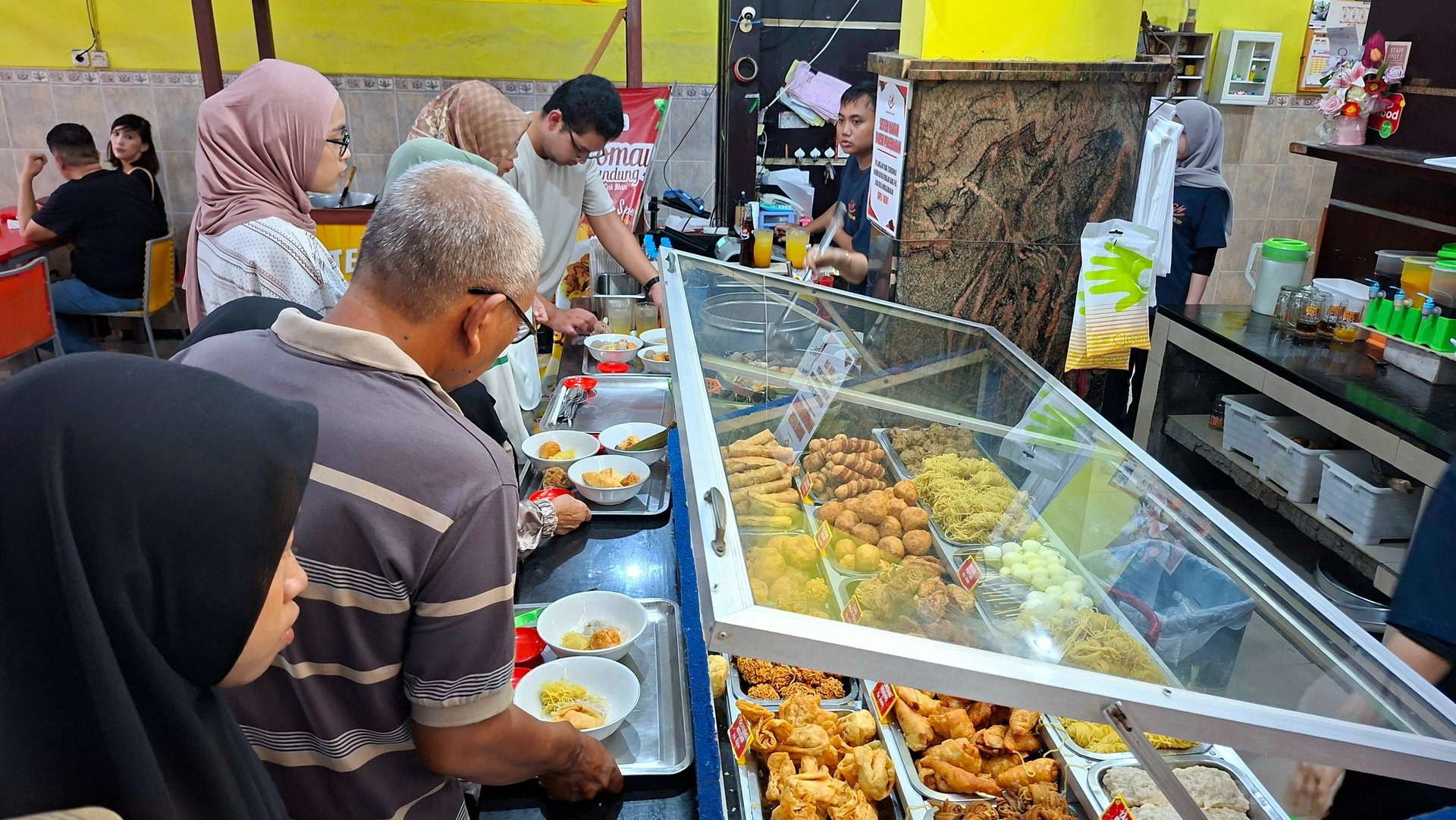
Unlike a traditional stall where the seller prepares the bowl for you, this place invites you into a prasmanan-style experience:
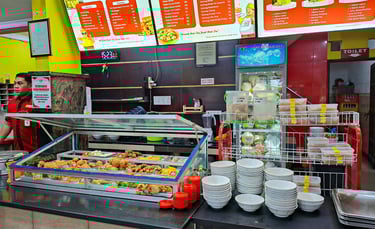
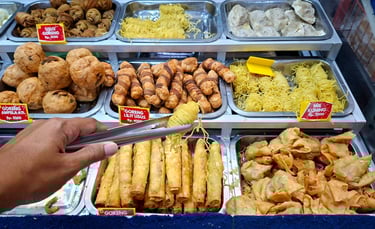
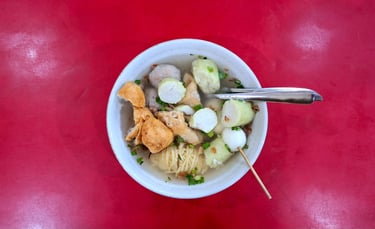
Start by grabbing a bowl and customizing your base with fresh noodles, crispy gorengan (Indonesian fritters), tofu, and your choice of meatballs.
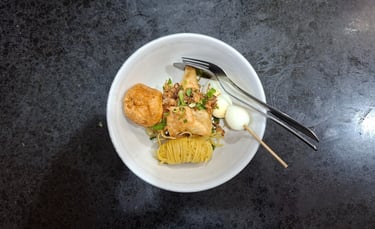
Once you've customized your bowl, the staff will top it off with their signature broth and you’re ready to dive into your perfect bowl of Bakso!
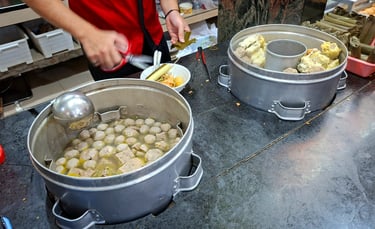
Did you know the word Bakso comes from two Chinese words?
Bak (肉): Means meat (In Chinese culture, if the type of meat isn't specified, it usually refers to pork).
So (酥): Means food that is soft, fluffy, or a processed dish (often translated as soup or a meatball dish).
Therefore, in its original traditional context, "Bakso" literally means "pork meat dish."
Several other popular Indonesian dishes share this same etymology, including bakmi (meat noodles) and bakpia (meat pastry).
However, because the majority of Indonesians are Muslim, this literal meaning has shifted over time. Today, the word "Bakso" has evolved into a general term for any kind of meatball whether it is made from beef, chicken, or fish.